Block's Dessa voice model isn't just a new entry in the AI voice arena—it's a real shift in how we think about deploying and interacting with voice AI. The ability of Dessa to run locally on a MacBook M4 Max isn't just about convenience; it's about fundamentally changing the game for developers and engineers who can now leverage high-quality voice AI without the need for extensive server infrastructure.
Voice AI has long struggled to mimic the natural flow and emotion of human speech. Traditional models often rely on converting speech to text and back again, which can strip away the nuances that make a conversation feel genuine. Dessa changes this by embedding emotional cues directly in the model, allowing for more fluid, human-like interactions that don't sound robotic or forced.
The Technical Journey to Human-Like AI
Dessa’s full-duplex capability stands out as a major advancement. This means it can listen and respond at the same time, just like we do in normal conversations. It’s not just a technical feat—it's a practical one, optimizing the interaction flow and making conversations smoother. The fact that this can be achieved with a single NVIDIA GPU rack highlights a significant optimization in resource use, potentially lowering the cost and complexity of deploying advanced voice systems.
For developers, running Dessa on consumer-grade hardware like the MacBook M4 Max is a big deal. It opens the door to democratizing voice AI, making it accessible to smaller teams who previously couldn’t afford the infrastructure. This could lower the barrier to entry significantly, allowing more innovation in the space.
When I built my own AI systems, the challenge was always balancing performance with accessibility. High-quality AI models traditionally required hefty processing power, often limiting real-time applications to those with deep pockets. But with Dessa, the landscape shifts. Imagine being able to prototype and deploy robust voice applications without needing a server farm. This is the kind of shift that encourages more developers to experiment and innovate.
Integration Insights: Emotion and Context
Integration-wise, if you're building with voice AI, understanding how Dessa handles emotion and context internally is key. Unlike models that need explicit tagging to express emotions, Dessa's approach inherently captures these nuances. This might mean fewer pre-processing steps and a more straightforward path to deployment in interactive systems.
Consider the implications for contact centers. Traditionally, integrating emotional intelligence in AI required additional layers of processing to tag and interpret emotional cues. Dessa’s model simplifies this, allowing for more natural interactions out of the box. This can enhance customer satisfaction and reduce the cognitive load on human agents who can focus on more complex tasks.
Considerations for Developers and Engineers
Implementing a voice model like Dessa offers some clear advantages. Running a robust voice model locally reduces latency and improves privacy because data doesn’t have to be sent to external servers. This is crucial for applications where speed and data security are non-negotiable.
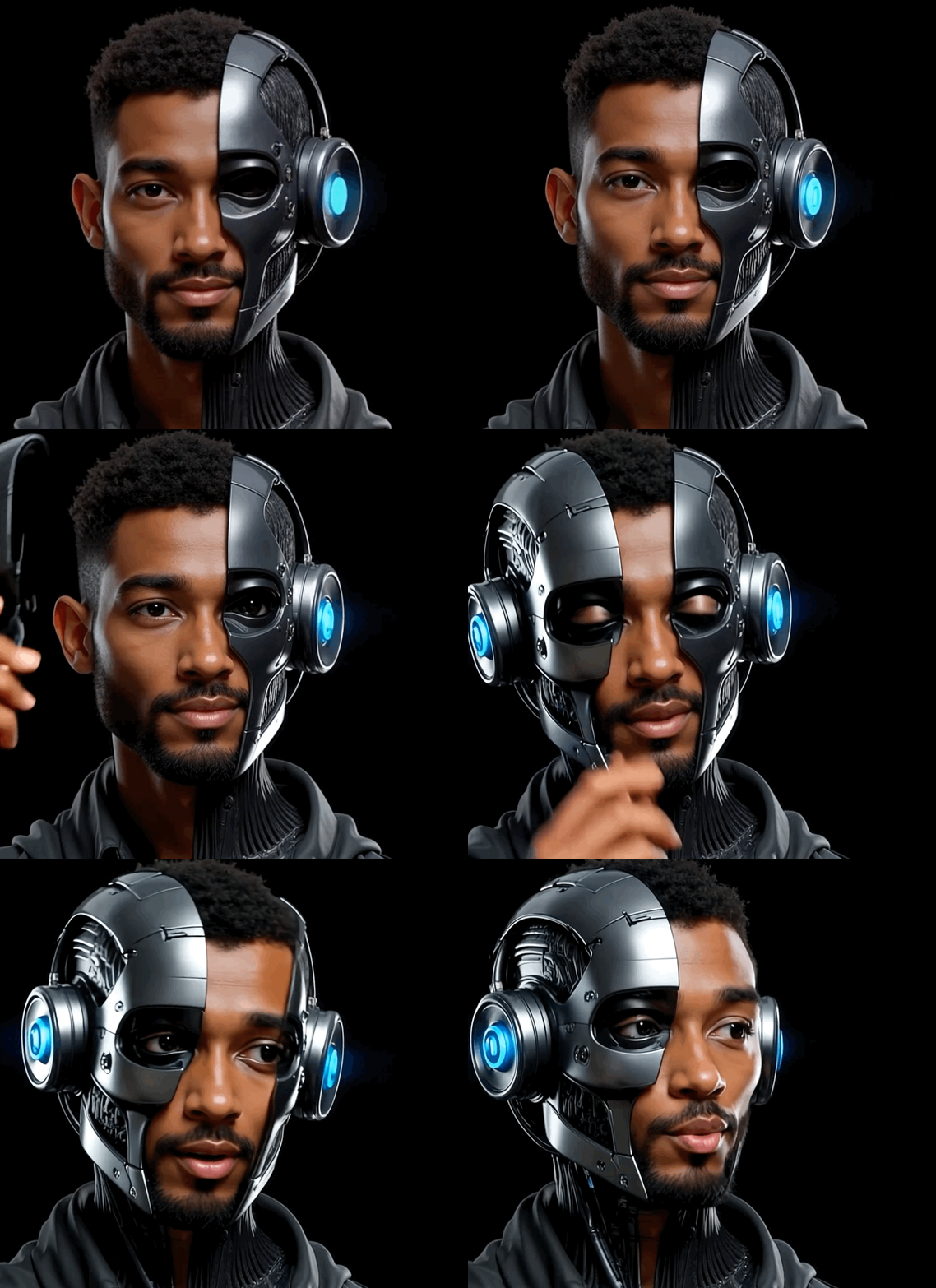
Yet, with great power comes the need for responsibility. The ethical implications of deploying such realistic voice AIs can't be ignored. Block's appeal to safety researchers underscores the importance of designing systems that are transparent about when users are interacting with AI, not humans. This helps prevent misuse and deception.
For developers, now's the time to experiment with this tech to transform user experiences. Whether you're enhancing customer service, creating virtual assistants, or exploring new entertainment avenues, the applications are vast. But remember, responsible use and thoughtful design are crucial.
Comparing to the Competition
Let's put Dessa in context with its competitors. Amazon's Alexa and Google's Assistant are entrenched solutions, but their reliance on cloud-based processing limits certain applications, especially where latency and privacy are critical. Dessa's ability to function locally offers an advantage in these scenarios, where real-time processing and data security are paramount.
Additionally, the emotional intelligence embedded in Dessa's model contrasts with the more transactional nature of other voice AIs. While Alexa and Google Assistant can perform tasks efficiently, they lack the nuanced interactions that Dessa aims to provide. This could position Dessa as a preferred choice for applications requiring a more personal touch.
The Future of Voice AI: Embracing Realism with Caution
Block's Dessa is a leap forward in making voice AI sound more human. The technical achievements are impressive, but the implications of deploying such technology need careful thought. Developers should approach this with both excitement and caution, ensuring advancements enhance rather than deceive.
As we edge closer to AI that can converse as naturally as humans, we must be as diligent in navigating the ethical landscape as we are in pushing technological boundaries. The potential is huge, but so is our responsibility.
For a deeper dive into Dessa's capabilities and potential applications, check out Block's announcement.